
Flor Contemplacion's story is a heartbreaking tale of injustice, sacrifice, and the devastating impact it had on her and her family. Born in the Philippines in 1953, Flor grew up in a modest family, dreaming of a better life for herself and her loved ones.
In search of economic opportunities, Flor made the difficult decision to leave her family behind and work as a domestic helper in Singapore in the late 1980s. Like many Filipino overseas workers, she hoped to support her children and provide them with a brighter future.
Flor found employment with a Singaporean family, working tirelessly to fulfill her duties and sending her hard-earned wages back home. However, her life took a tragic turn when a fellow Filipino worker, Delia Maga, and Delia's young son were found dead in their shared apartment in 1991.
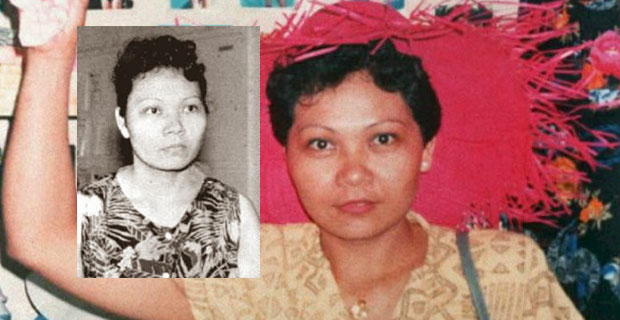
Flor Contemplacion was swiftly accused of the double murder, despite maintaining her innocence throughout the trial. The Singaporean authorities, under intense pressure to solve the case, subjected Flor to a grueling interrogation, where she alleged she was physically and psychologically abused.
The trial that followed was marred by allegations of misconduct, unreliable evidence, and a lack of proper legal representation for Flor. Despite these concerns, Flor was convicted and sentenced to death in 1995, leaving her family and supporters devastated.
The case gained international attention and sparked widespread outrage, particularly in the Philippines. The people of the Philippines rallied behind Flor Contemplacion, believing in her innocence and fighting for justice. Her case highlighted the struggles faced by overseas Filipino workers, exposing the vulnerability and mistreatment they often endure.
Efforts to seek clemency and overturn Flor's sentence gained momentum, with pleas from global human rights organizations, politicians, and even Pope John Paul II. Despite these efforts, on March 17, 1995, Flor Contemplacion was executed by hanging in Changi Prison, leaving behind a legacy of injustice and sorrow.
Her tragic story became a symbol of the plight faced by many overseas Filipino workers and ignited a national conversation about the need for better protection and support for those working abroad. It prompted the Philippine government to address the issues faced by migrant workers, leading to reforms in labor policies and the establishment of support systems for overseas Filipinos.
Flor Contemplacion's life serves as a stark reminder of the injustices and hardships endured by countless migrant workers. Her story continues to inspire advocacy for workers' rights and fair treatment, fueling the determination to prevent similar tragedies from happening again.
Her memory lives on as a symbol of resilience and a call to action, reminding us of the importance of fighting for justice and ensuring the rights and well-being of all individuals, especially those who leave their homes in search of a better life.
Comments
Post a Comment